Milestone Inspection & Recertification Checklist for Condos
What Florida milestone inspections and Broward and Miami-Dade 40-year recertification mean for your roof, plus a checklist for condo boards.
10 min

Short answer: Florida milestone inspections and the long-standing Broward and Miami-Dade recertification programs require licensed engineers or architects to inspect older condominium and commercial buildings. Reports often include roof items: aging membranes, wet insulation, failed flashings, loose coping and ponding. The association must hire qualified contractors to complete each scope, document the work and close out the findings. This checklist helps boards prepare, budget and get the roof items done on time.
Key takeaways
Milestone inspections apply to condo and co-op buildings three stories or taller.
Broward and Miami-Dade also run county recertification programs.
Roof leaks and failed parapet flashings are common report findings.
Bid the roof as a clear scope with unit prices and engineer coordination.
Maintenance after repairs makes the next inspection easier.
This guide is general information for boards and managers. Requirements and deadlines change, so confirm what applies to your building with your engineer, your association attorney and your local building department.
The three programs boards hear about
Florida milestone inspections
After the 2021 Surfside collapse, Florida law began requiring milestone structural inspections for condominium and cooperative buildings three or more stories tall. The first inspection is generally due by the time the building reaches 30 years from its certificate of occupancy, with local officials allowed to require it at 25 years based on conditions such as proximity to salt water, and then every 10 years. Phase 1 is a visual inspection by a licensed engineer or architect; Phase 2 follows if substantial structural deterioration is found.
Structural Integrity Reserve Study (SIRS)
Associations with qualifying buildings must also complete a structural integrity reserve study that covers key components, including the roof, load-bearing structure, fireproofing, plumbing, electrical, waterproofing and exterior painting, and windows and exterior doors, and must fund reserves for them. The roof is almost always one of the largest line items.
County recertification in Broward and Miami-Dade
Broward and Miami-Dade counties have run building safety recertification programs for decades, historically at 40 years and every 10 years after, and both counties have moved toward earlier inspections. These programs cover many commercial buildings as well as condos.
Why the roof matters in these reports
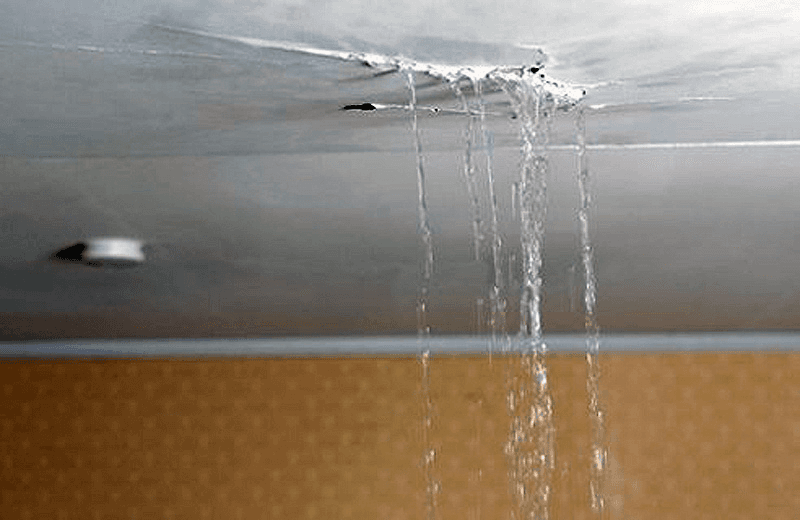
Water is the main driver of building deterioration. A leaking roof, failed parapet flashing or open coping lets water into walls and structure, so engineers look closely at the roof. Their reports often list roof repairs or replacement alongside structural and waterproofing items that other specialists handle. CLS completes the roof and roof-related items, including parapet waterproofing and coping and edge metal.
Board checklist: before the inspection
Confirm the building's certificate of occupancy date and which inspection deadlines apply.
Gather records: past inspections, roof permits and warranties, prior repairs, drawings.
Get a current roof condition report with drone photos and moisture readings.
Identify known leaks, balcony issues, spalling and sealant failures so the engineer can see them.
Review your reserve study and SIRS assumptions for the roof and waterproofing.
Plan resident communication about inspection access and possible repairs.
Board checklist: after the report
Read the findings with your engineer and sort them by urgency and deadline.
Separate roof, waterproofing, concrete and window items into clear scopes.
Get line-item bids from licensed contractors on the same scope.
Confirm permits, engineering oversight and inspections for each scope.
Decide on phasing and funding: reserves, special assessment or financing.
Schedule work around residents and hurricane season where possible.
Collect closeout documents, photos and warranties for the recertification file.
Common roof findings in milestone and recertification reports
Roof at or past its expected service life.
Wet insulation or deteriorated deck under the roof.
Failed flashings at parapets, curbs and rooftop equipment.
Loose or corroded coping and edge metal (wind risk).
Ponding water and clogged drains.
Rooftop equipment supports and penetrations not sealed.
Common roof-related findings at parapets and walls
Failed flashings and terminations where the roof meets parapet walls.
Cracked parapet stucco and open coping joints.
Loose or corroded edge metal and coping caps.
Failed sealants at roof-adjacent joints and penetrations.
Water intrusion at roof-to-wall transitions.
Choosing a roofing contractor for recertification roof items
Recertification projects often involve several trades. Bid the roof as its own clear scope with a licensed roofing contractor, and coordinate it with the structural and waterproofing contractors your engineer recommends. CLS Roofing is dual licensed (CCC#1332529 and CGC#1516583) and provides roofing for milestone inspections and recertification, including roof condition information for your engineer and closeout documentation.
Budgeting tips for associations
Coordinate the roof schedule with other recertification trades so access and hoisting are shared.
Ask for unit prices on deck and insulation replacement, since quantities can grow once the roof is opened.
Use phasing by building or roof section to align with reserves.
Consider a roof restoration where the roof qualifies, and plan replacement in the reserve schedule.
Put the roof on a maintenance program after the work so the next inspection is easier.
How to choose a contractor for recertification repairs
A Florida certified roofing contractor (CCC) for the roof scope.
Experience working under an engineer of record and following repair specifications.
Unit pricing for deck, insulation and flashing quantities.
Resident communication and safety plans for occupied buildings.
Insurance, permits and closeout documentation suited to recertification files.
Typical sequence when the roof is on the report
Engineer report and repair specifications.
Separate bids for roof, structural and waterproofing scopes, and board approval.
Permits and resident notices.
Structural repairs by the specified contractor, often starting with the most urgent areas.
Roof repairs, restoration or replacement, including parapets and flashings.
Engineer observation, final inspections and closeout package.
Communicating with owners
Owners want to know three things: why the work is needed, what it will cost them, and how it will affect daily life. Share the engineer's summary, the phased plan and the schedule early, and keep updates regular. Photo reports from each contractor help owners see progress and understand why quantities change once surfaces are opened.
Keeping the next inspection simple
After repairs, a scheduled roof maintenance program, with inspections, flashing and sealant checks and drain cleaning, keeps small problems from becoming report findings. It also builds a documented history that helps the engineer and the reserve study at the next cycle.
Roof decisions inside a recertification project
When the roof is near the end of its life, boards often ask whether to replace it during recertification work or wait. Doing it together can save on access, hoisting, permitting and resident disruption, and it removes a major water source before other repairs are exposed to leaks. When the roof still has life, a restoration or targeted repair can satisfy the report and the replacement can be planned in the reserve schedule.
Frequently asked questions
Do commercial buildings need recertification?
In Broward and Miami-Dade, many commercial buildings fall under county recertification programs. Check with the local building department for your property.
How long do recertification repairs take?
It depends on the findings. Roof repairs can take days to weeks; roof replacement and larger multi-trade projects can take months and are often phased.
Does a milestone inspection require a new roof?
Not automatically. The engineer reports conditions; if the roof is failing or contributing to structural deterioration, repairs or replacement may be required.
Who can perform the inspection?
A Florida-licensed engineer or architect performs the inspection. Contractors like CLS complete the repairs and provide documentation.
Can repairs be phased?
Often, as long as safety-critical items are addressed first and the deadlines set by the engineer and building official are met.
Board members can also read condo and HOA roofing for how we work with associations.
Want a second set of eyes on your roof? Schedule a roof inspection with drone documentation and a written report, request roof service, or call our 24/7 line at (561) 207-7693.