Commercial Roofing 101: Roof Types and How They Work
Commercial Roofing 101 from CLS University: the main commercial roof types, how a roof assembly works, and what building engineers should watch for.
11 min

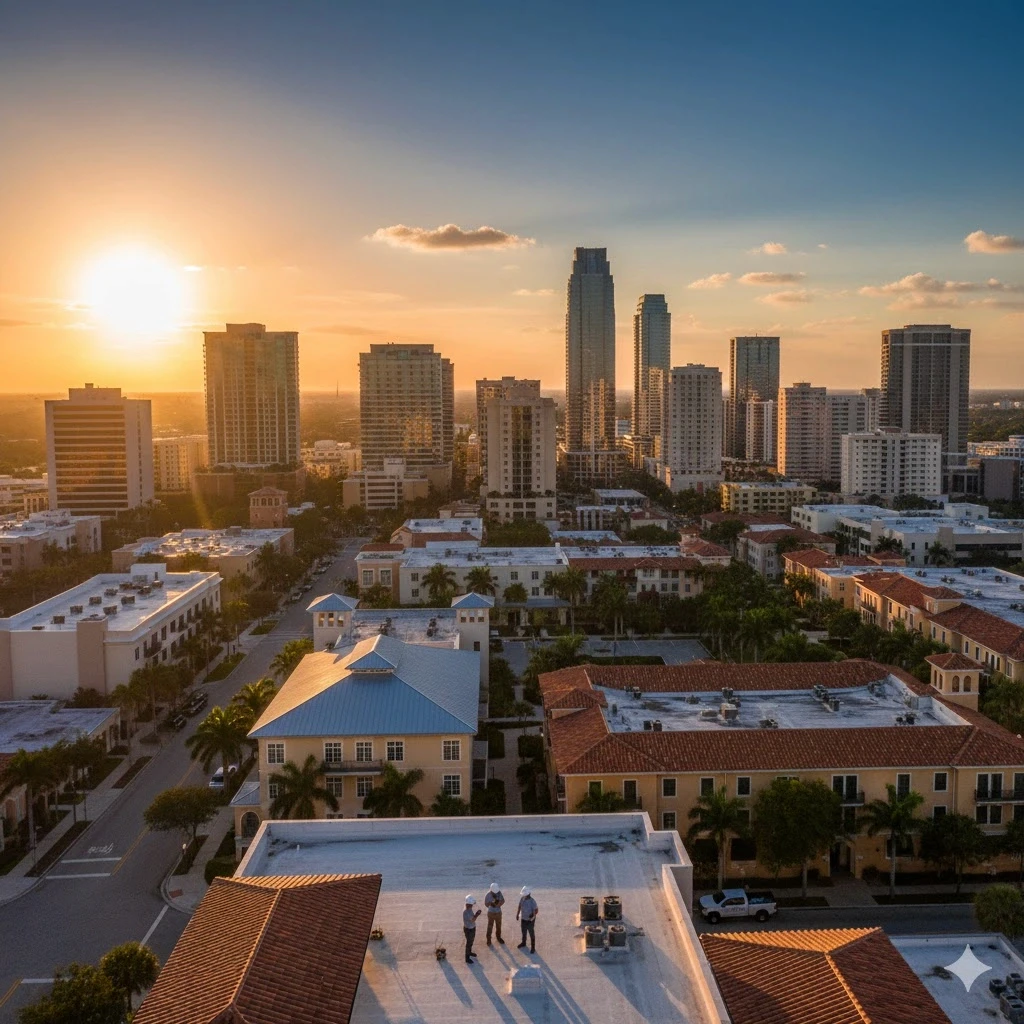
Short answer: most South Florida commercial buildings use one of six roof types: TPO, PVC, modified bitumen, built-up (BUR), EPDM or metal, and some older roofs have a fluid-applied coating on top. Every type is part of a roof assembly (deck, insulation, cover board, membrane, flashings and metal edges) that has to work as one system. Knowing which type you have, and which parts fail first, is the foundation for maintaining it well.
This CLS University guide is written for building engineers, maintenance staff and facility teams who look after commercial roofs day to day. It explains the common commercial roof types, how the layers of a roof work together, and the details where leaks usually start.
Low-slope vs. steep-slope roofs
Most commercial roofs are low-slope (often called flat roofs), with just enough pitch to move water toward drains, scuppers or gutters. Low-slope roofs need continuous, waterproof membranes because water sits on them longer. Steep-slope commercial roofs, more common on some offices, hotels and institutional buildings, shed water quickly and often use metal panels or standing-seam systems.
The layers of a commercial roof assembly
Deck: the structural surface, usually steel, concrete, wood or lightweight insulating concrete.
Insulation: rigid boards (often polyiso) that control heat flow. Tapered insulation adds slope to move water to drains.
Cover board: a thin, tough board over the insulation that protects it from foot traffic and hail and gives the membrane a solid base.
Membrane: the waterproof layer: single-ply (TPO, PVC, EPDM), multi-ply (modified bitumen, BUR), or metal panels.
Flashings: membrane and metal details that seal walls, curbs, pipes, drains and edges.
Sheet metal: edge metal, coping caps, counterflashing and scuppers that hold the roof down in wind and direct water.
In South Florida, how each layer is attached matters as much as the layer itself. Wind uplift requirements under the Florida Building Code, and High Velocity Hurricane Zone (HVHZ) rules in Broward and Miami-Dade, dictate fastener patterns, adhesives and edge details.
The main commercial roof types
TPO (thermoplastic polyolefin)
A white, reflective single-ply membrane with heat-welded seams. TPO is the most common choice for new low-slope commercial roofs in South Florida because it reflects heat and offers good value. Watch for seam failures, punctures from foot traffic, and membrane pulling away at flashings. Learn more about TPO roofing.
PVC (polyvinyl chloride)
Also a heat-welded single-ply membrane, PVC resists grease and many chemicals, so it is common on restaurants and buildings with rooftop exhaust. Watch areas around kitchen exhaust and equipment. See PVC roofing.
Modified bitumen
A multi-ply asphalt system reinforced with SBS or APP polymers, usually with a granulated cap sheet. It is tough under foot traffic and offers layered protection. Watch for blisters, open laps, granule loss and cracked flashings. See modified bitumen roofing.
Built-up roofing (BUR)
The traditional tar-and-gravel roof: alternating layers of asphalt and reinforcing felts, often topped with gravel. Many older buildings still have BUR. Watch for bare spots where gravel has washed away, blisters and ridges. See built-up roofing.
EPDM (rubber)
A black synthetic rubber single-ply membrane with taped or glued seams. EPDM is less common in South Florida because the dark surface absorbs heat. Watch for seam tape lifting and shrinkage at edges. See EPDM roofing.
Metal and standing-seam roofs
Exposed-fastener panels are common on warehouses; standing-seam systems hide the fasteners in raised seams. Watch for backed-out or rusted fasteners, open laps and corrosion near drains and gutters. See commercial metal roofing.
Coated roofs
Many existing roofs have been restored with a silicone, acrylic or other fluid-applied coating. Coatings need periodic inspection and eventual recoating. See roof restoration and coatings.
How to identify your roof type
Check building records: roof permits, warranties and past proposals usually name the system.
Look at the surface: smooth white sheets with welded seams are TPO or PVC; granulated rolls are modified bitumen; gravel is usually BUR; black rubber is EPDM.
Look at the seams: heat-welded edges suggest TPO or PVC; overlapping granulated laps suggest modified bitumen; tape or adhesive suggests EPDM.
Ask your roofing contractor to confirm during the next inspection and note it in your records.
Where commercial roofs leak most
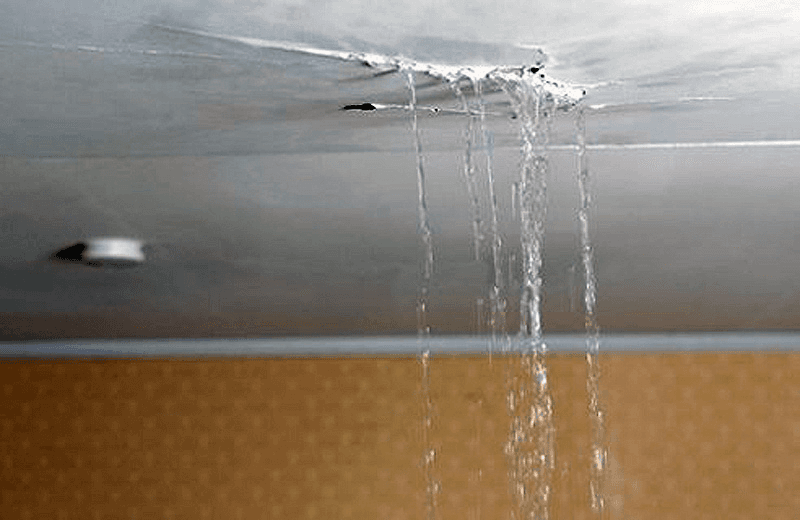
Most leaks do not start in the middle of the membrane. They start at details:
Flashings at rooftop HVAC curbs, pipes and conduit.
Roof-to-wall transitions and parapet walls.
Drains, scuppers and gutters that clog and back up.
Edge metal and coping caps loosened by wind.
Seams and laps, especially where foot traffic is heavy.
Skylights, roof hatches and solar penetrations.
Our guide to roof drain and scupper maintenance covers the simplest preventive task a building engineer can do.
What a building engineer can safely check
Keep drains, scuppers and gutters clear, especially before and after storms.
Walk the roof (with safe access and fall protection) and note new stains, ponding or debris.
Look at rooftop units after any HVAC or electrical service visit.
Check edge metal and coping for anything loose after wind events.
Photograph and log anything unusual, with the date and location.
Leave repairs to a licensed roofing contractor, especially on warrantied roofs.
Why roof type matters for warranties and maintenance
Each roof type has its own repair materials and methods, and manufacturer warranties usually require compatible repairs by qualified contractors plus documented maintenance. Using the wrong sealant or patch can void coverage. Our commercial roof warranties page explains what most manufacturers expect.
How long commercial roofs last in South Florida
Service life depends on the system, installation quality, drainage, exposure and maintenance. Sun, heat, salt air and storms all shorten life, while scheduled maintenance extends it. The best way to know how much life your roof has left is a documented inspection. See how to read a roof inspection report.
Roof systems at a glance
TPO: white single-ply, heat-welded seams, reflective, best value for most low-slope roofs.
PVC: white single-ply, heat-welded, resists grease and chemicals, higher cost.
Modified bitumen: multi-ply asphalt, tough under foot traffic, granulated surface.
Built-up (BUR): multi-ply asphalt and felts, often gravel-surfaced, common on older buildings.
EPDM: black rubber single-ply, taped seams, less common in hot climates.
Metal: exposed-fastener or standing-seam panels, common on warehouses and sloped roofs.
Roof safety basics for building staff
Roof access is one of the most dangerous parts of building maintenance. Before anyone goes on the roof, confirm the access route, hatch or ladder condition, and whether fall protection is required near edges, skylights and openings. Skylights are a common fall hazard because they can look solid but will not support a person. Stay off wet or storm-damaged roofs, never work alone, and keep a record of who accesses the roof and why.
Protecting the roof from other trades
HVAC, electrical, plumbing, solar and telecom contractors all work on commercial roofs, and many leaks start after their visits: dropped screws punctured into the membrane, panels left unsealed, or new penetrations without proper flashing. Require trades to check in before roof access, use walk pads, remove debris, and report any new penetration so your roofing contractor can flash it correctly.
Keeping good roof records
Roof system, installation date and installer.
Manufacturer warranty documents and maintenance requirements.
Inspection reports with photos, at least annually.
Every repair: date, location, cause and who performed it.
A log of drain cleaning and storm checks.
A list of rooftop equipment and penetrations.
Good records make warranty claims smoother, help insurers and lenders, and give the next inspector a head start.
Frequently asked questions
What is the most common commercial roof in South Florida?
For new low-slope roofs, TPO is the most common because it is reflective and cost-effective. Older buildings often still have modified bitumen or built-up roofs.
Is a flat roof really flat?
No. A properly designed low-slope roof has slight slope, often built with tapered insulation, to move water to drains.
Can building staff repair the roof?
Staff should keep drains clear and report problems. Repairs should be done by a licensed roofing contractor using materials compatible with the roof, which protects the warranty.
How often should a commercial roof be inspected?
At least twice a year and after major storms. A maintenance program schedules this for you.
Want a second set of eyes on your roof? Schedule a roof inspection with drone documentation and a written report, request roof service, or call our 24/7 line at (561) 207-7693.