Roof Drain and Scupper Maintenance for Commercial Roofs
Roof drain maintenance for building engineers: how drains, scuppers and gutters fail, a cleaning schedule, warning signs, and when to call a roofer.
8 min


Short answer: clogged roof drains and scuppers are one of the most common, and most preventable, causes of commercial roof leaks. Keep strainers in place, clear debris on a regular schedule and after every storm, watch for ponding water, and call a roofing contractor when drains are damaged, leaking at the flashing, or water still does not drain.
This CLS University guide is for building engineers and maintenance teams responsible for day-to-day care of low-slope commercial roofs.
How water leaves a commercial roof
Interior drains: openings in the roof that connect to pipes inside the building. Each has a strainer (dome or flat grate) and a clamping ring that seals the roof membrane.
Scuppers: openings through a parapet wall or roof edge that let water flow off the roof, usually into a conductor head and downspout.
Gutters and downspouts: collect water at a roof edge and carry it to the ground.
Overflow drains and scuppers: backups set slightly higher than the primary drains, required on many roofs to prevent overloading if the primary system clogs.
Why drains matter so much in South Florida
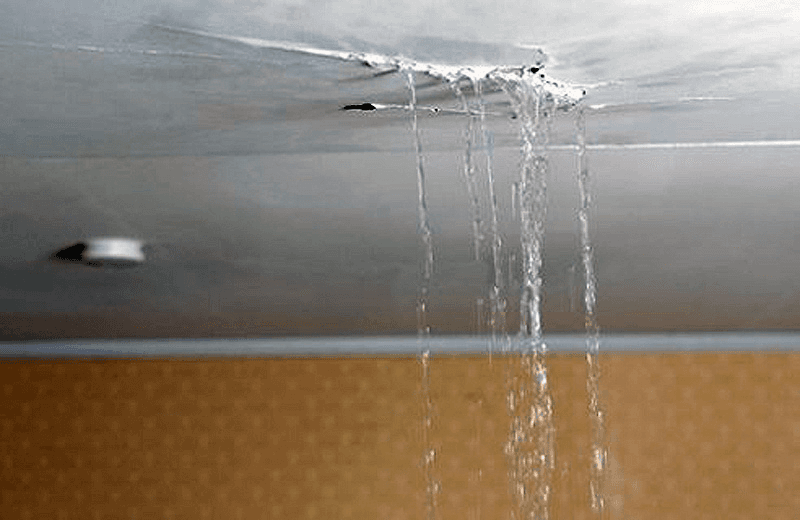
South Florida storms can drop large amounts of rain in a short time. If drains are blocked, water builds up on the roof, adds weight, finds its way through seams and flashings, and can back up into the building. Standing water also speeds up membrane aging. Clear drainage is one of the cheapest forms of roof protection available.
Common drain and scupper problems
Leaves, sand, bird nests and construction debris blocking strainers.
Missing or broken strainers that let debris into the pipe.
Loose clamping rings or failed flashing around the drain.
Rusted or separated scupper and conductor head seams.
Downspouts disconnected or crushed at the bottom.
Ponding around drains that sit higher than the surrounding roof.
A simple maintenance schedule
Monthly: visual check of drains, scuppers and gutters from a safe location; remove loose debris.
Quarterly: walk the roof (with safe access), clear strainers, check for standing water and stains.
Before hurricane season: full cleaning of drains, scuppers, gutters and downspouts; confirm overflows are clear. See our hurricane roof preparedness service.
After every major storm: clear debris and check for damage.
After trades work on the roof: check for left-behind screws, wire, packaging and other debris.
How to clear a roof drain safely
Use safe roof access and fall protection; never work alone on a roof.
Remove debris from around the strainer by hand or with a scoop.
Lift the strainer only if it is designed to be removed, clear it, and put it back securely.
Do not use sharp tools near the membrane or flashing.
Run water if possible and confirm it drains.
Photograph the drain before and after and log the date.
Warning signs that need a roofing contractor
Water standing on the roof more than 48 hours after rain.
Leaks or stains near interior drain locations.
Cracked, torn or lifted membrane at the drain bowl.
Missing or broken strainers or clamping rings.
Scupper or gutter seams that are open or rusting through.
Drains that stay slow after cleaning (possible pipe blockage).
These issues are usually quick flat roof repairs when caught early. Sheet metal scuppers, conductor heads and gutters are covered by our architectural sheet metal team.
Drains and your roof warranty
Many manufacturer warranties exclude damage caused by ponding or lack of maintenance. Keeping a dated log of drain cleaning and inspections is part of protecting coverage. See our commercial roof warranties page.
Improving drainage on problem roofs
If water ponds even with clean drains, the roof may need tapered insulation crickets, additional drains or scuppers, or drain modifications. These are often added during repair, restoration or replacement projects.
Drain maintenance log template
A simple log keeps drain care consistent and supports warranty records. For each visit, record:
Date and name of the person who checked the roof.
Each drain, scupper and gutter by location number.
Condition: clear, partly blocked, blocked or damaged.
What was removed and whether water drained afterward.
Any ponding, stains or damage noticed nearby.
Photos before and after, and any follow-up needed.
Trees, sand and birds: South Florida debris
Palm fronds, seed pods, leaves and wind-blown sand are the most common drain blockers in South Florida, and birds often nest in scuppers and conductor heads. Roofs near trees or the coast need more frequent cleaning. Trimming trees away from the roof edge and keeping strainers secured reduces how often drains clog.
Overflow drains and scuppers
Overflow drains and scuppers are your roof's safety valve. They are set slightly higher than the primary drains so that if the main system clogs, water still leaves the roof before it builds up too much weight. Overflows must be kept clear even though they rarely carry water. If water is coming out of an overflow during normal rain, the primary drains are likely blocked.
What a professional drain inspection adds
During a professional inspection, a roofing contractor checks the drain bowl, clamping ring and membrane flashing, looks for low spots around drains, and confirms that overflows and scuppers meet the roof's design. Problems such as a drain set too high, a cracked bowl or failed flashing need roofing repairs rather than cleaning.
Frequently asked questions
How often should commercial roof drains be cleaned?
At least quarterly, before hurricane season, and after every major storm. Roofs under heavy tree cover may need monthly cleaning.
Is some ponding normal?
Small puddles that dry within 48 hours are common. Water that stays longer should be evaluated.
Can a maintenance program handle drain cleaning?
Yes. Drain and debris clearing is part of every CLS roof maintenance program.
Want a second set of eyes on your roof? Schedule a roof inspection with drone documentation and a written report, request roof service, or call our 24/7 line at (561) 207-7693.